The Problem with Temporary Gestures
Nobody sends flowers with bad intentions. The impulse is real and kind and completely understandable – you hear that someone is grieving, and you want to do something, right now, today. Flowers are beautiful, they’re available at every grocery store, and they arrive within hours. They fill a room with color during the darkest week of someone’s life. That matters.
But here’s the part nobody talks about: by day seven, someone in that house has to carry the dying bouquet to the trash. The water has gone cloudy. The petals are curling on the counter. And that small act – throwing away the flowers – can feel like losing something all over again. The gesture was real, but now it’s gone, and the house is just as quiet as before.
The same is true for most of the things we default to during grief. Gift baskets get eaten. Candles burn down. Sympathy cards, even the ones with the most heartfelt handwritten notes, end up in a drawer or a box in the closet. (If you’re writing one, our guide to writing a sympathy card can help you find the right words.) These gestures show up during the first week – the week when the house is full of people and casseroles and phone calls. But grief doesn’t end after the first week. It gets quieter, lonelier, and longer. The flowers are gone by then. The gift basket was finished days ago. And the person who is grieving is still sitting in the same room, looking for something to hold onto.
The best memorial gifts are the ones that are still there in month three, month six, year two – the ones that become part of the house, part of the daily landscape, something they see every morning that says they were here, and they were loved, and that hasn’t changed.
That’s what this guide is about. Not the gifts you send because you feel like you should, but the memorial gifts that actually endure – the ones people mention years later when they tell you, quietly, that your gift was the one they kept.
Personalized Memorial Wall Art
Of all the memorial gifts that last, personalized wall art might be the most powerful – because it lives where the person lives. Not in a drawer, not on a shelf in the spare bedroom, but on a wall they walk past every single day. It becomes part of the home in a way that almost nothing else can.
But there’s an important distinction here. A canvas print with a name and two dates on it is not what we’re talking about. That’s a product with a name on it. It acknowledges the loss, but it doesn’t say a single thing about who the person actually was. You could swap the name out and give it to someone else, and it would be identical. That’s not a tribute. That’s a template.
The memorial wall art that truly lasts – that earns its place on someone’s wall for decades – captures the specific, irreplaceable details of who they were. The way a grandmother hummed while she pruned her roses. The fact that a father called every single one of his kids “champ,” even the ones who were forty. The dog who pressed his whole body against your legs whenever you sat down.
This is exactly what we do at Still Beside Me. You share a photo of the person or pet who was lost, along with a few details about who they really were – personality quirks, favorite memories, the little things only someone who loved them would know. From those details, we write an original, personalized poem that captures their spirit – and you approve every word before it prints. Not a fill-in-the-blank template. Something that could only exist because this particular person or pet lived and was loved.
That poem is then printed alongside their photo – an archival, museum-quality print, made to order in the USA, in an elegant frame. It arrives ready to hang, ready to become part of the home.

The result is something that stops people in the hallway. Visitors read it and get choked up because the words are so specific, so true to the person they describe, that it feels like hearing their voice again. That’s not something you get from a generic plaque or a mass-produced canvas. That’s a memorial gift that genuinely lasts – not just physically, but emotionally. Browse our full collection of memorial gifts or our pet memorial gifts to see what a truly personalized tribute looks like.
Memorial Jewelry
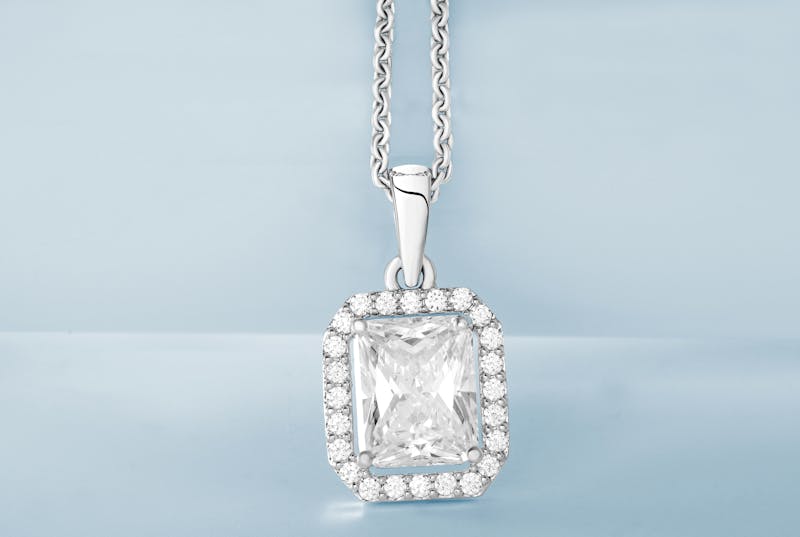
Memorial jewelry is one of the oldest forms of remembrance. The Victorians wore lockets with hair from the deceased, wove mourning bracelets from jet and onyx, and considered it entirely normal to carry a physical piece of someone you loved close to your body. We’ve lost some of that tradition, but the instinct hasn’t gone anywhere. People still want something to touch, something to hold, something warm against their skin that reminds them of someone they miss.
The most meaningful memorial jewelry falls into a few categories. Cremation jewelry holds a tiny amount of ashes inside a pendant, ring, or bracelet – not visible from the outside, just present. The wearer knows it’s there, and that’s enough. It turns an abstract loss into something tangible, something they can close their hand around when a wave of grief hits in the middle of a Tuesday afternoon.
Fingerprint jewelry is another option that has become increasingly popular, and for good reason. A fingerprint is the most unique thing a person leaves behind – no two have ever been the same in the history of the species. Having that print engraved on a ring or pendant is a way of saying: there will never be another one of you.
Birthstone jewelry and engraved name necklaces are simpler options, but they can still carry weight when done with care. A necklace with a child’s birthstone, a bracelet with coordinates of a meaningful place, a ring engraved with a date that only the wearer understands – these are quiet, private forms of remembrance that the griever carries with them into the world without having to explain anything to anyone.
The best memorial jewelry doesn’t look like “grief jewelry.” It looks like something beautiful that someone chose to wear. The meaning is private, layered underneath, known only to the wearer. That privacy is part of what makes it last – it’s not a conversation piece. It’s a companion.
Custom Memory Books
A memory book is not a scrapbook. This distinction matters, because the word “scrapbook” conjures up something you do with glue sticks and patterned paper at a craft table, and that’s not what we’re talking about. A true custom memory book is a curated collection of someone’s life – photographs, stories, letters, recipes, ticket stubs, handwritten notes – organized into something cohesive and beautiful that can be held, read, and passed down.
There are services that will help you design a professional-quality hardcover book from your photos and text. Some families do this together as a project in the weeks after a loss, each person contributing a memory, a photo, a few sentences about what the person meant to them. The process itself can be healing – not because it fixes anything, but because it gives the grief somewhere to go. It transforms “I miss them” into “let me tell you about them.”
The lasting power of a memory book is in its physicality. It sits on a coffee table or a bookshelf. It gets picked up on anniversaries, on birthdays, on ordinary Sundays when someone feels the absence more than usual. Children who were too young to remember the person can flip through it and learn who they were – not from stories that get vaguer with each retelling, but from something permanent, something preserved.
If you’re making one for someone else as a gift, gather contributions from friends and family members beforehand. The most powerful pages aren’t the ones with the best photos. They’re the ones with the most specific details – the grandmother’s handwritten pie recipe, the ticket stub from a concert they went to together, the blurry photo from a camping trip where everyone is laughing and nobody is looking at the camera.
Garden Memorials
There is something deeply right about honoring someone in a garden. Life, growth, seasons, return – the metaphors are obvious but they resonate for a reason. A garden memorial gives grief a physical place in the world, somewhere outside the house where someone can go to sit and think and feel close to the person they lost.
Memorial garden stones are the most traditional option. A well-made stone – natural granite or slate, not poured concrete – will last for generations. Engraved with a name, a date, a short phrase, it becomes a permanent fixture in the landscape. Rain, snow, sun, years – the stone stays. There’s a quiet comfort in that kind of permanence.
Memorial trees are another option, and they carry a particular kind of weight. Planting a tree in someone’s name means that something is still growing because of them. It provides shade, attracts birds, changes with the seasons. In ten years, a child can climb the tree that was planted for their grandparent. In fifty years, it might be the oldest thing in the yard. That’s a timeline that matches the scale of real love – not days or weeks, but decades.
Wind chimes are a gentler option. Hung near a garden or porch, they create sound – a soft, unexpected reminder that arrives on the wind without warning. Many people who receive memorial wind chimes say the same thing: every time they hear them, they feel like the person is saying hello. Whether you believe that literally or metaphorically, the effect is the same. It’s presence. It’s a voice in the air when the world is too quiet.
Memorial benches, birdbaths, and sundials all serve a similar purpose. They create a destination – a specific place in the yard where someone can go to remember. Grief needs space, and a garden memorial provides it, literally.

Digital Memorials and Legacy Projects
We live in a world where most of someone’s life is documented digitally – photos on phones, videos on cloud drives, text messages that scroll back for years. When someone dies, that digital archive becomes incredibly precious and incredibly fragile at the same time. Phones break. Accounts expire. Cloud storage subscriptions lapse. The casual infrastructure that held someone’s digital life together can disappear without warning.
A digital memorial is a deliberate effort to preserve and organize that content so it lasts. This can be as simple as creating a private website or shared album where family members upload photos, videos, and written memories. Services like ForeverMissed, GatheringUs, and EverLoved offer templates for online memorial pages that can be shared with family and updated over time.
Legacy projects go a step further. These are curated, intentional efforts to preserve someone’s voice, personality, and story in a format that can be passed down. Recording a video interview with elderly family members while they’re still alive. Digitizing old home movies and transferring them to modern formats. Collecting handwritten letters and scanning them at high resolution so the handwriting itself is preserved, not just the words.
The most forward-thinking legacy projects combine physical and digital elements. A QR code on a memorial garden stone that links to a video of the person laughing. A framed photo with an NFC tag that plays a recording of their voice. These hybrid approaches acknowledge that the best memorial gifts exist in multiple dimensions – something you can see and touch, paired with something you can hear and experience.
Digital memorials are especially meaningful for families that are geographically scattered. A grandmother’s grandchildren might live in four different states. A shared digital memorial gives them all the same access to her recipes, her voice, her stories, her face – regardless of distance. It keeps the family’s memory of her consistent and alive, rather than fragmenting into separate, incomplete versions that fade at different rates.
How to Choose Based on Your Relationship
Not every memorial gift is right for every relationship. What you send to your best friend after she loses her mother is different from what you send to a coworker who lost a grandparent. The depth of the gesture should match the depth of the relationship – not because grief is a competition, but because the wrong level of intimacy in a gift can make someone uncomfortable rather than comforted.
For close family and best friends: This is where the most personal gifts belong. A personalized poem framed with their photo. A custom memory book. Memorial jewelry. These are deeply intimate gifts that say I knew them too, and I’m carrying this with you. The recipient will keep these for the rest of their life, and the specificity of the gift – the details, the personal touches – is what makes it meaningful. Browse our memorial gifts collection for options that match this level of closeness.
For extended family and good friends: A memorial garden stone, a set of quality wind chimes, or a donation to a cause the person cared about are all appropriate here. These gifts are thoughtful and lasting without being so intimate that they create awkwardness. A well-chosen plant or tree, delivered with a card that mentions a specific memory, hits the right note – personal enough to matter, restrained enough to respect the boundaries of the relationship.
For coworkers and acquaintances: This is where people freeze up the most. You want to acknowledge the loss without overstepping. A sympathy gift for a coworker should be simple, warm, and low-pressure. A handwritten card with a specific, kind sentence is often the best thing you can send. If you want to go further, a group gift – where the team pools together for something meaningful – spreads the intimacy across the group rather than putting it all on one person’s shoulders. A framed memorial tribute from Still Beside Me, given from the whole team, is a gesture that feels substantial without feeling intrusive.
For someone who lost a pet: Pet loss is real loss, and the best gift you can send is one that treats it that way. Many people who lose a pet feel like the world doesn’t take their grief seriously – so a gift that clearly says this mattered carries extra weight. Our pet memorial gifts are designed for exactly this moment. A personalized poem about a specific dog or cat – their quirks, their habits, the particular way they made a home feel full – tells the grieving person that their animal’s life was worth honoring. Because it was.
Pet memorial gifts compared
If the loss was a pet and you’re weighing your options, here’s an honest look at how the most common pet memorial gifts stack up – each one is the right choice for a different kind of griever.
| Gift type | Typical price | How long it stays displayed | Personalization depth | Best for |
|---|---|---|---|---|
| Engraved garden stone | $30–$150 | Decades outdoors – natural granite and slate are genuinely weatherproof | Name, dates, and a short engraved phrase | A permanent outdoor place to visit, especially near where a pet is buried |
| Memorial jewelry (cremation/ashes) | $50–$300+ | Worn daily – not displayed in the home, but always with you | Holds a small amount of ashes or fur; engraving can add a name or paw print | Someone who wants to carry their pet with them wherever they go |
| Custom pet portrait (painting) | $150–$800+ | Wall art displayed for decades | A true art commission – an artist’s original interpretation of your pet’s likeness | Families who want original artwork and don’t mind a longer wait or a higher budget |
| Canvas photo print | $25–$120 | Years on the wall, though canvas can fade in direct sunlight | Your photo, sometimes with a name or dates added | A fast, affordable way to get a favorite photo on the wall |
| Framed poem tribute (Still Beside Me) | $79–$249 | Wall art displayed for decades – archival, museum-quality print | A poem written from your specific memories, printed beside their photo, with their name and years set into the design | Families who want the story told, not just the name |
There’s no wrong answer in that table. A garden stone and a piece of jewelry can live alongside a framed tribute – many families end up with more than one. The question is simply which kind of remembering fits the person you’re giving to: something outdoors, something worn, or something on the wall that tells the whole story.
Why Permanence Matters More Than Price
There’s a common anxiety that kicks in when you’re shopping for a memorial gift: am I spending enough? As if the dollar amount is a measure of how much you cared. It isn’t. A $200 gift basket is gone in three days. A $30 garden stone with the right words on it is still in the yard twenty years from now. The cost of the gift is not what determines its meaning. The permanence is.
Think about the gifts you’ve received in your own life – the ones that actually mattered, the ones you still have. Chances are, the price tag isn’t what you remember. You remember the thought behind it. You remember the specificity of it – the proof that someone paid attention to who you are and what you needed. You remember where it sits in your house and what it feels like to look at it.
The memorial gifts that last are the ones built to endure. Archival-quality printing that won’t fade. Frames with UV-protective glass. Stones cut from natural rock, not poured from a mold. Jewelry made from real metal, not plated alloy that turns green in six months. The materials matter because they determine whether the gift is still intact in five years or sitting in a landfill.
But durability alone isn’t enough. A brick is durable. Nobody wants a brick on their mantelpiece. The gift also needs emotional permanence – content that stays meaningful over time, not a generic phrase that felt adequate in the moment but hollow a year later. “Gone but not forgotten” is fine on a sympathy card. It’s not enough for something that will hang on a wall for the next thirty years.
That’s why the best memorial gifts combine physical craftsmanship with emotional depth. A poem that mentions the specific way someone laughed, printed on archival paper, behind glass that won’t yellow, in a frame that won’t warp. A garden stone with a line that could only be about one person. Jewelry engraved with a fingerprint that belongs to one hand and one hand only.
When you choose a memorial gift, ask yourself one question: will this still be in their home a year from now? If the answer is yes, you’ve chosen well. If the answer is “probably not,” that doesn’t mean the gift is bad – it just means it’s a gesture, not a tribute. Both have their place. But when you want to honor someone’s life in a way that truly lasts, permanence is the standard.
We wrote about this same idea from a different angle in our post on why personalized memorial gifts mean more than flowers. If you’re weighing your options, that piece might help you think it through.
The people we lose deserve to be remembered with something worthy of who they were. Not something that wilts, fades, or gets thrown away – but something that stays. Something that earns its place in the home and in the heart. That’s what the best memorial gifts do. They last, because love is supposed to.
Keep reading
If you’re deciding between flowers and something more permanent, we break down the comparison in why personalized memorial gifts mean more than flowers. For help finding the right words, our sympathy card writing guide has you covered. And if the loss was a pet, our pet memorial gifts collection is made for exactly that kind of love.